
EPS said in emailed comments that the 210,000-dwt Newcastlemax bulk carriers are expected to be delivered between 2026 and 2027.
Asked about the reason behind the switch for these orders, EPS said that “it is a tactical adjustment to align with regulatory developments, infrastructure readiness, and market demands.”
DNV’s latest data shows that LNG remains the dominant fuel choice for newbuild vessels.
Overall, 192 new orders for alternative-fueled vessels have been placed in the first nine months of 2025.
LNG-fueled vessels accounted for the majority of these orders (121), followed by 43 orders for methanol-fueled ships, with the remainder made up by LPG carriers (19), ammonia-fueled vessels (5), and hydrogen-fueled vessels, according to DNV.
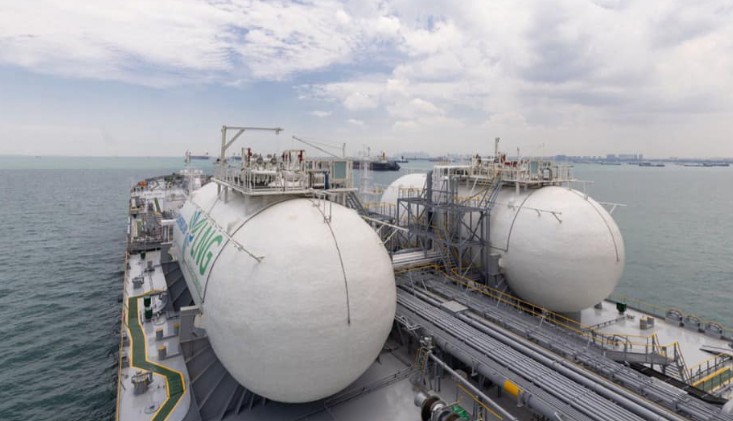
EPS operates a large fleet of LNG dual-fuel vessels, comprising containerships, tankers, bulk carriers, as well as PCTCs.
It is worth mentioning here that EPS handed over what it says was the world’s first LNG-powered Newcastlemax bulk carrier to Australian miner BHP in Singapore in 2021.
China’s Shanghai Waigaoqiao Shipbuilding built this bulker and its sister vessels.
EPS recently completed its 450th ship-to-ship LNG bunkering operation, as the company’s fleet of LNG-powered vessels continues to expand.
According to the 2025 ESG report, which EPS released in June, over 50 percent of its fleet, or 173 ships, is designed to operate on alternative fuels such as LNG, LPG, and ethane.
“These early investments have delivered significant emission reductions, well ahead of the new IMO targets and in anticipation of alternative green fuels only becoming economically viable in the next decade,” EPS said.