
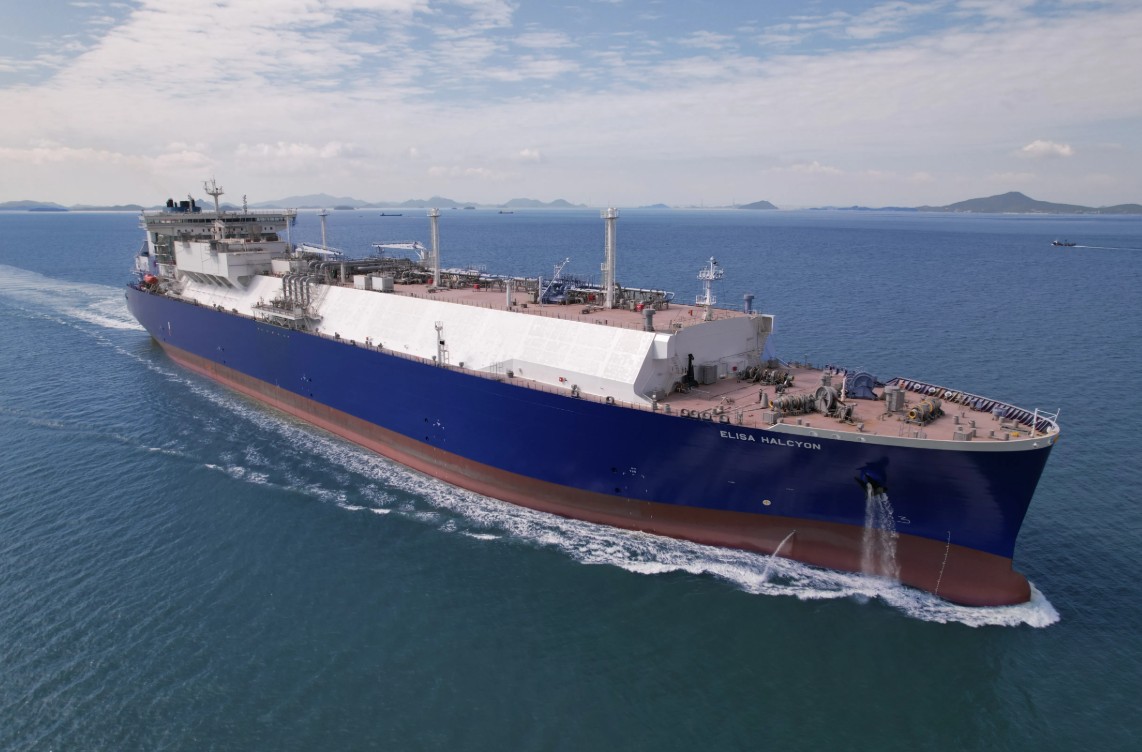
NYK said in its results report that its fleet of operational LNG carriers stood at 93 vessels as of the end of September.
The shipping firm had 89 operational LNG carriers at the end of September last year and the same number of vessels at the end of March this year.
According to a presentation by NYK, its LNG carrier fleet included 80 owned or co-owned LNG carriers and 13 chartered vessels by the end of September this year.
NYK’s energy business, which includes the LNG carrier business, reported revenues of 39.7 billion yen ($257.7 million) in the quarter ended September 30, down 17.8 billion yen year-on-year.
According to NYK, the results for the LNG carrier business “remained steady, supported by medium- to long-term contracts.”
“The business is expected to remain firm, backed by stable earnings from medium- to long-term contracts,” it said.
NYK expects “stable” profits resulting from the deliveries of multiple LNG vessels in the next
fiscal year, while the firm confirmed “ongoing investments to expand our LNG fleet to 130 vessels by FY2028.”
The company’s medium-term investment plan includes an investment of 300 billion yen ($1.95 billion) in the expanion of LNG carrier fleet.
LNG fuel
Besides LNG carriers, NYK is expanding its fleet of “environment-friendly” vessels, including LNG-fueled vessels, LPG-fueled vessels, and methanol-fueled vessels.
According to NYK, it had 23 LNG-fueled vessels and two LNG bunkering vessels in its fleet at the end of September this year.
This includes 13 LNG-powered car carriers, seven LNG-powered bulkers, two LNG-powered shuttle tankers, and one LNG-powered cruise ship.
Out of these vessels, 22 ships are owned or co-owned and three are chartered.