
The country imported 2.82 billion cubic meters, or about 2.1 million metric tonnes of LNG, in February via long-term contracts and spot purchases.
February LNG imports were similar to those in January.
India imported 32.01 bcm (24.1 million metric tonnes) of LNG during April-February, down by 4.4 percent compared to the previous year, according to the data.
India paid $1.1 billion for February LNG imports, down from $1.2 billion in December 2024, according to PPAC data.
During April-February, the LNG import bill reached $12.4 billion, down from $13.9 billion, the data shows.
LNG terminals
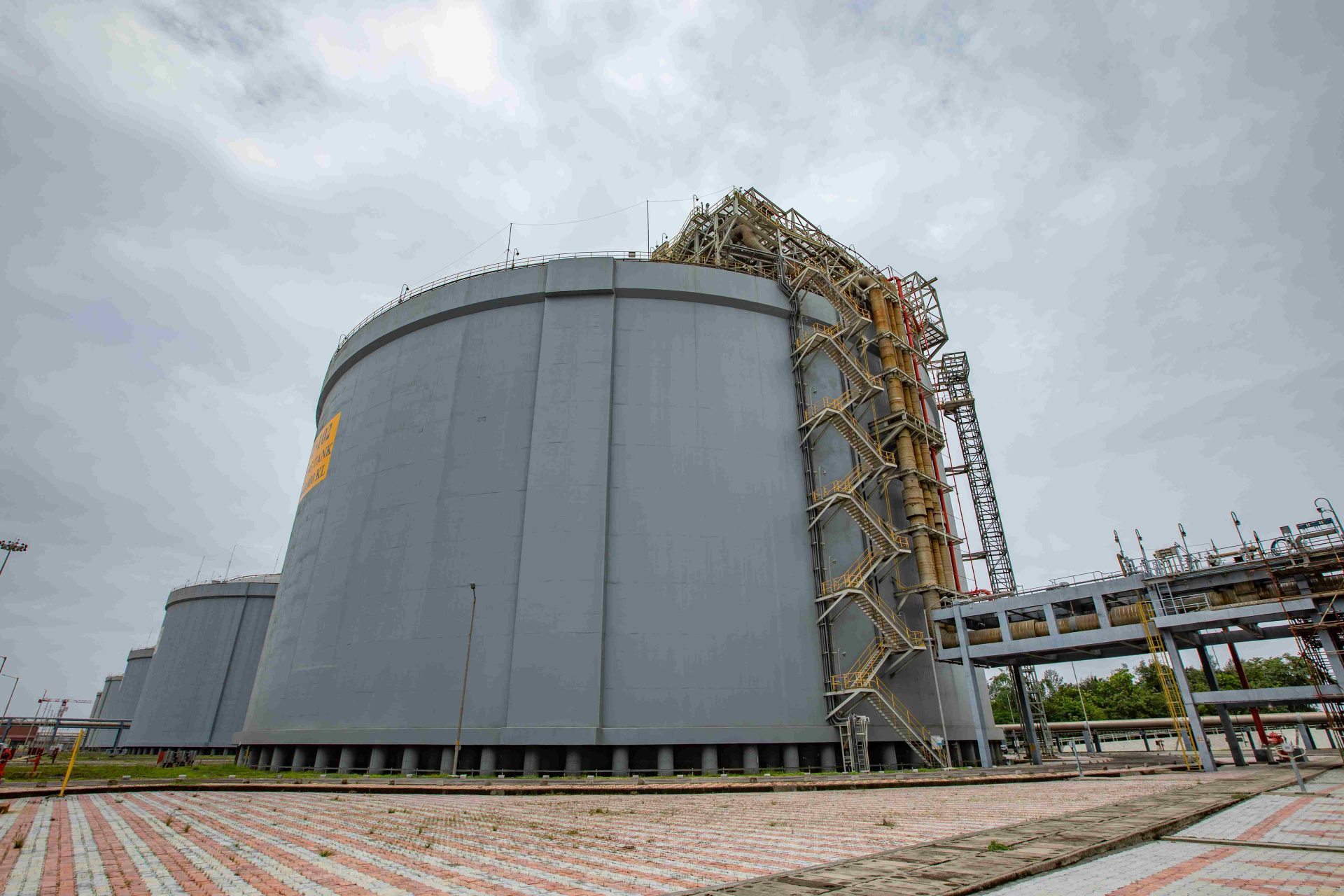
India imports LNG via eight facilities with a combined capacity of about 52.7 million tonnes per year.
These include Petronet LNG’s Dahej and Kochi terminals, Shell’s Hazira terminal, and the Dabhol LNG, Ennore LNG, Mundra LNG, and Dhamra LNG terminals.
The newest LNG import terminal is HPCL’s 5 mtpa Chhara LNG import terminal in India’s Gujarat, which launched commercial operations in February last year.
PPAC said that during April-February, the 17.5 mtpa Dahej terminal operated at 94.3 percent capacity, while the 5.2 mtpa Hazira terminal operated at 26.9 percent capacity.
The 5 mtpa Dhamra LNG terminal operated at 33.7 percent capacity, the 5 mtpa Dabhol LNG terminal operated at 35.4 percent capacity, the 5 mtpa Kochi LNG terminal operated at 26.3 percent capacity, the 5 mtpa Ennore LNG terminal operated at 25.3 percent capacity, the 5 mtpa Mundra LNG terminal operated at 17.9 percent capacity, and the Chhara LNG terminal operated at 5.9 percent capacity.
Force majeure
Last week, the Indian government invoked emergency measures, prioritizing gas allocation to essential sectors amid the disruption of LNG shipments through the Strait of Hormuz.
Prior to that, India’s largest gas utility, GAIL, said it may reduce gas supplies to its downstream customers after it received a force majeure notice from the country’s largest LNG importer, Petronet LNG.
Petronet issued a force majeure notice on March 3 to its offtakers after it received a notice from state-owned QatarEnergy, which stopped production at its giant Ras Laffan LNG plant due to attacks.
The Ras Laffan facility was again attacked this week.
QatarEnergy said on Thursday that it expects the damage to its Ras Laffan complex caused by missile strikes to cost about $20 billion a year in lost revenue and to take up to five years to repair, impacting supply to markets in Europe and Asia.