
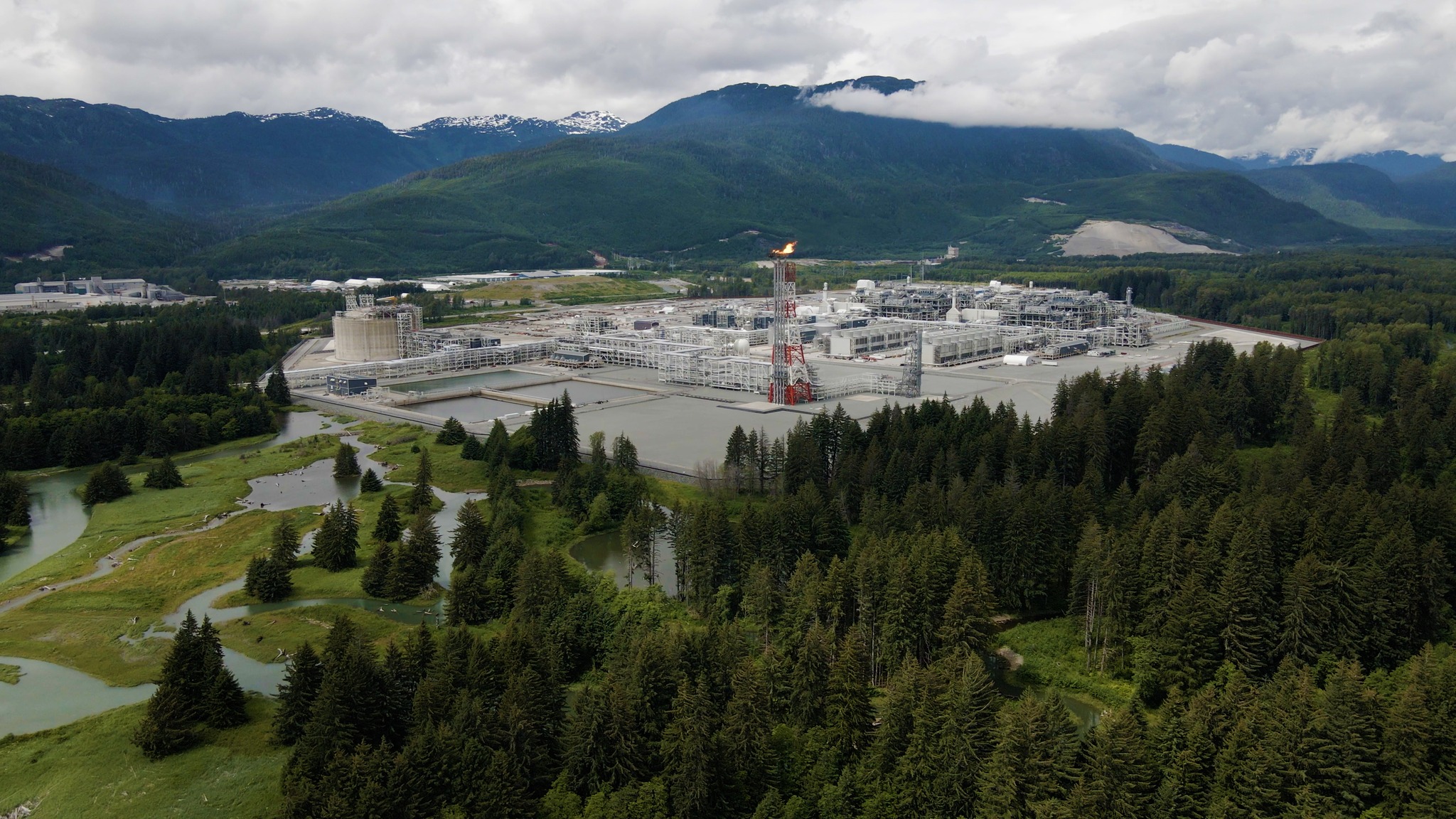
TC Energy shared on Wednesday that CGL has entered into commercial agreements with LNG Canada, saying that this marks an “important milestone” in advancing Coastal GasLink Phase 2, which remains subject to a final investment decision (FID) by LNG Canada and approvals by CGL.
According to the company, the agreements establish a comprehensive commercial framework that supports LNG Canada’s pathway to FID, including front-end engineering and design and the execution activities that would follow, while maintaining disciplined capital, risk, and governance principles.
TC Energy said the parties will now further advance definitive cost and schedule estimates for CGL Phase 2.
Should it proceed, CGL Phase 2 facilities will be constructed under a new execution model involving both LNG Canada and CGL.
Under the agreements, LNG Canada will lead project construction as CGL Phase 2 execution manager and CGL will provide LNG Canada technical advisory services.
TC Energy said the commercial structure includes limits on CGL’s capital commitments and overall liability for construction cost and schedule risks.
This is consistent with TC Energy’s strategic objectives to reduce project execution and capital allocation risk, it said.
Coastal GasLink remains the 100 percent owner, operator, and permit holder for the pipeline and all associated future pipeline facilities.
“Doubling the transmission of natural gas through the existing pipeline will help further strengthen Canada’s role as a reliable supplier to global LNG markets,” said Francois Poirier, president and CEO of TC Energy.
“Increasing LNG exports presents an extraordinary opportunity to transform our economy and establish our country as the number one LNG exporter to Asia,” Poirier added.
In 2024, TC Energy’s Coastal GasLink pipeline entered into commercial service after signing a deal with the Shell-led LNG Canada project and other customers.
In the first phase, the 670-kilometer pipeline will transport 2.1 billion cubic feet of natural gas per day (bcf/d) from Groundbirch, BC, to Kitimat, where the LNG Canada plant is located.
LNG Canada recently shipped the 50th cargo of LNG from the two-train plant, which has a capacity of 14 mtpa.
With a proposed Phase 2 expansion, Shell and its partners plan to double the terminal’s capacity to 28 mtpa.
At 40 percent, Shell has the largest working interest in the LNG Canada JV.
MidOcean Energy, the LNG unit of US-based energy investor EIG, completed its deal to buy a 20 percent interest in Petronas’ entities in Canada, including a stake in the LNG Canada project, in December last year.
Besides Petronas and MidOocean, other partners include PetroChina, Mitsubishi Corporation, and Kogas.
Demolition
LNG Canada announced in a separate statement earlier this week that it is starting construction work near its marine terminal.
The work will consist of wharf demolition, quay wall construction, and assessment of dredging work to enable safer and more efficient carrier movements now and in the future.
Demolition is planned to begin in April and require approximately 10 months of onshore and offshore activities adjacent to LNG Canada’s facility.