Previously, Bulgaria’s gas supplier Bulgargaz, which is also a unit of BEH, issued several LNG tenders to purchase cargoes via Greek and Turkish LNG terminals.
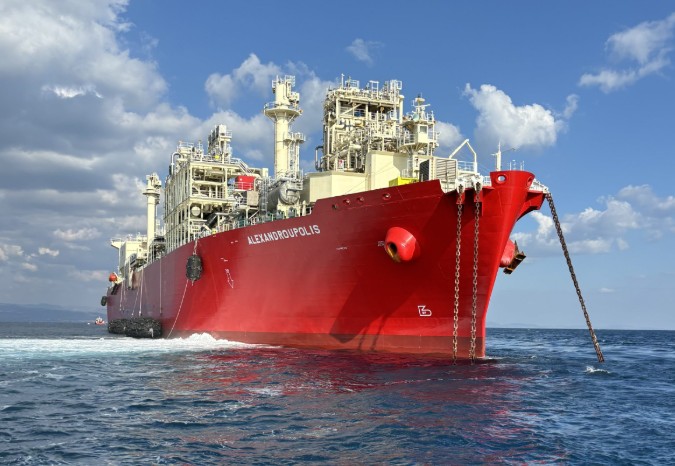
Bulgartransgaz, a shareholder in Gastrade’s FSRU-based Alexandroupolis LNG terminal in Greece, announced on Friday that it will, for the first time, provide the natural gas quantities required to ensure the technological processes in the gas transmission system by conducting a tender for the supply of LNG.
For the period until the end of the current gas year and for the next gas year, the gas transmission operator said it plans to purchase 1,500,000 MWh of LNG, covering the period from July 2026 to September 2027 (inclusive).
Bulgartransgaz said the LNG supply procedure will be carried out on an organized exchange market through the trading platform of Balkan Gas Hub.
It is planned that the supplies will be delivered to the FSRU-based LNG terminal in Alexandroupolis.
Gastrade received the first LNG cargo at its FSRU-based terminal in Alexandroupolis in October 2025 following a technical issue in January 2025.
Bulgargaz purchased this cargo and three other cargoes from Metlen Energy & Metals and Shell under a tender.
“Competitive prices”
According to Bulgartransgaz, the pre-selection procedure will be held from April 9 to April 24, while the tender will take place on April 30 via the trading platform.
Bulgartransgaz said the main requirement is for companies to guarantee that the gas originates from countries not subject to international sanctions.
“With the current procedure, Bulgartransgaz guarantees the reliable provision of the gas transmission system’s technological needs in full transparency and compliance with European market principles. The LNG supplies from reliable partners such as the USA and other countries are a key element in achieving diversification and enhancing energy security for both Bulgaria and the region,” Bulgartransgaz CEO Vladimir Malinov said.
“Bulgartransgaz sends a clear signal to the market – we are actively working for secure and transparent supplies at competitive prices”, he added.
LNG prices surged last month following the shutdown of QatarEnergy’s giant Ras Laffan LNG complex due to missile attacks and the closure of the Strait of Hormuz.
QatarEnergy recently announced that it expects the damage to its Ras Laffan complex caused by missile strikes to cost about $20 billion a year in lost revenue and to take up to five years to repair, impacting supply to markets in Europe and Asia.