
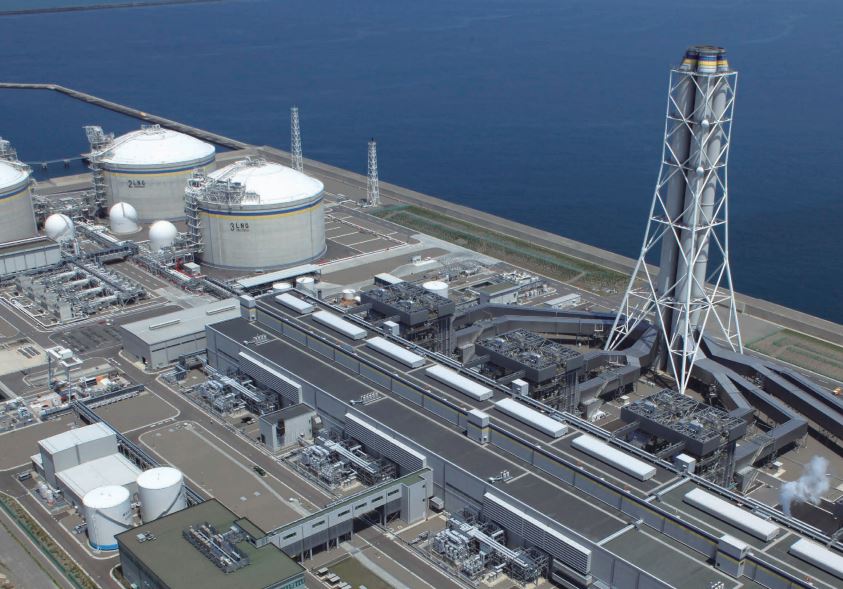
Japan’s liquefied natural gas (LNG) imports rose in May after logging a decline for two months in a row.
The world’s largest importer of LNG received 4.95 million tonnes of the fuel last month, up 8.2 percent when compared to the same month last year, according to the provisional data released by the country’s Ministry of Finance.
Compared to the previous month of 4.97 million tonnes, LNG imports were almost flat.
LNG imports in May cost Japan about $2.12 billion, down 1.4 percent year-on-year.
To remind, the average contract-based price for spot LNG cargoes shipped to Japan in May reached $9.60/mmBtu, state-run Japan Oil, Gas and Metals National Corp (JOGMEC) said.
Looking at last month’s LNG shipments, deliveries from Asia from countries such as Malaysia and Indonesia dropped by 10.1 percent to 867,000 tonnes, the ministry’s data shows.
Middle East LNG shipments from sources like Qatar dropped by 1.8 percent to 648,000 tonnes.
Additionally, shipments from Russia surged 82.7 percent to 591,000 tonnes while US deliveries increased 33.1 percent to 545,000 tonnes.