
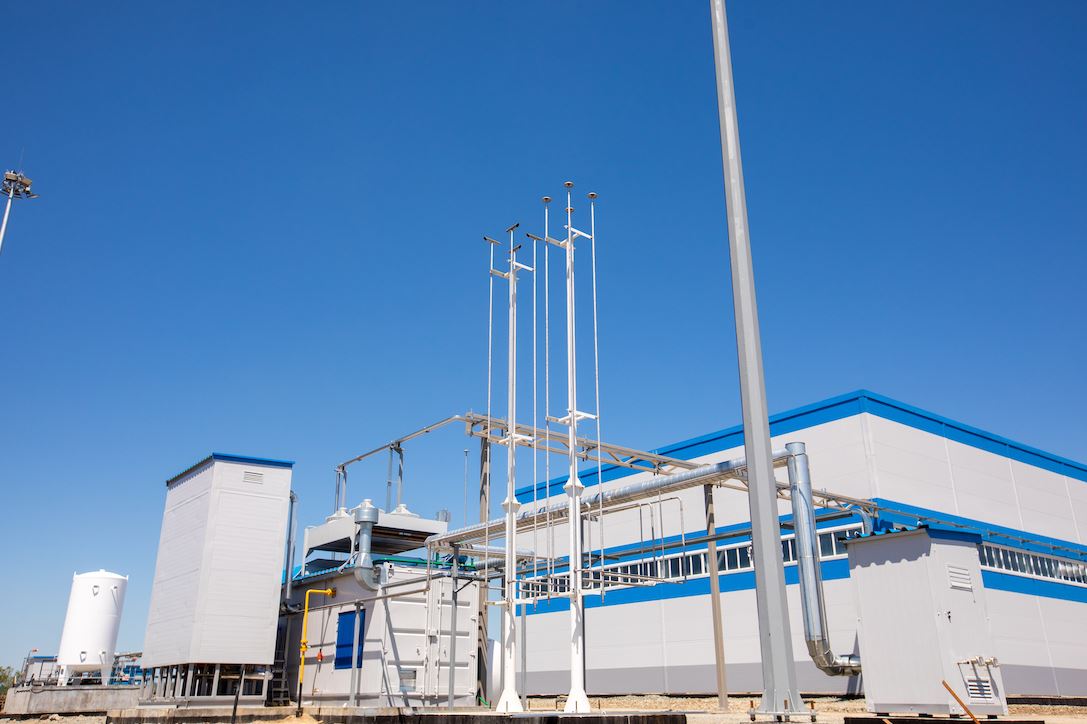
Gazprom launches small LNG plant near Vladivostok

A unit of Russian gas giant Gazprom has launched a small-scale LNG plant near Vladivostok which will provide fuel for trucks transporting liquid helium.

Gazprom Helium Service said in a statement it has fired up the facility earlier this month after the firm received approval from the government on May 27.

The small-scale plant is located at Gazprom’s helium tank logistics center in the Primorye Territory in the Russian Far East.

Gazprom Helium Service expects the plant to produce more than 3,500 tons of LNG per year.
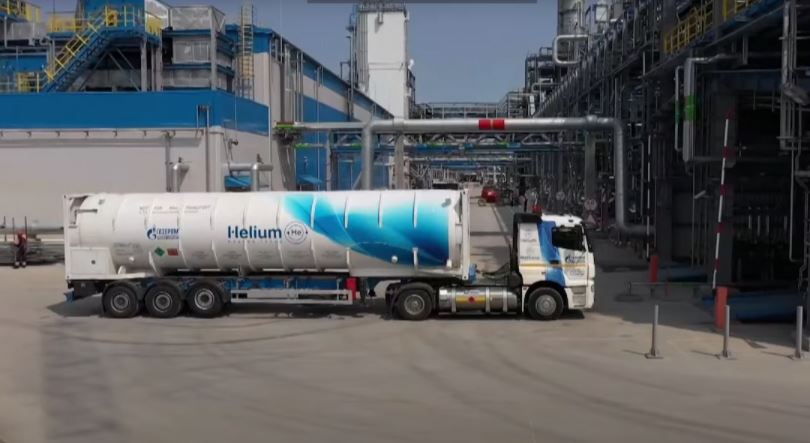
Gazprom launches small-scale LNG plant near Vladivostok (2)
Image: Gazprom Helium Service

Moreover, the plant will provide fuel to a fleet of LNG-powered Kamaz trucks that will transport helium in special containers from Gazprom’s newly inaugurated Amur gas processing plant.

The trucks will carry liquid helium via the hub to the ports of the Primorye Territory. They will drive up to 1400 km without refueling.

Gazprom said last year it would take delivery of the first 18 LNG-powered trucks for this project in 2021.

Most Popular

Top 5 news of the week July 6-12

LNG Prime brings you the five most popular news stories on our platform during the week of July 6-12, 2026.
spot_img

More News Like This

Russia ups LNG production in May

Russian liquefied natural gas (LNG) production rose 13.7 percent in May this year compared to the same month in 2025, according to the Russian statistics agency Rosstat.

Russian LNG production climbs in February

Russian liquefied natural gas (LNG) production rose 6.2 percent in February this year compared to the same month in 2025, according to the Russian statistics agency Rosstat.

Russian LNG production up in January

Russian liquefied natural gas (LNG) production rose 8.3 percent in January this year compared to the same month in 2025, according to the Russian statistics agency Rosstat.

Russian LNG production down in 2025

Russian liquefied natural gas (LNG) production dropped 4 percent last year compared to 2024, according to the Russian statistics agency Rosstat.