
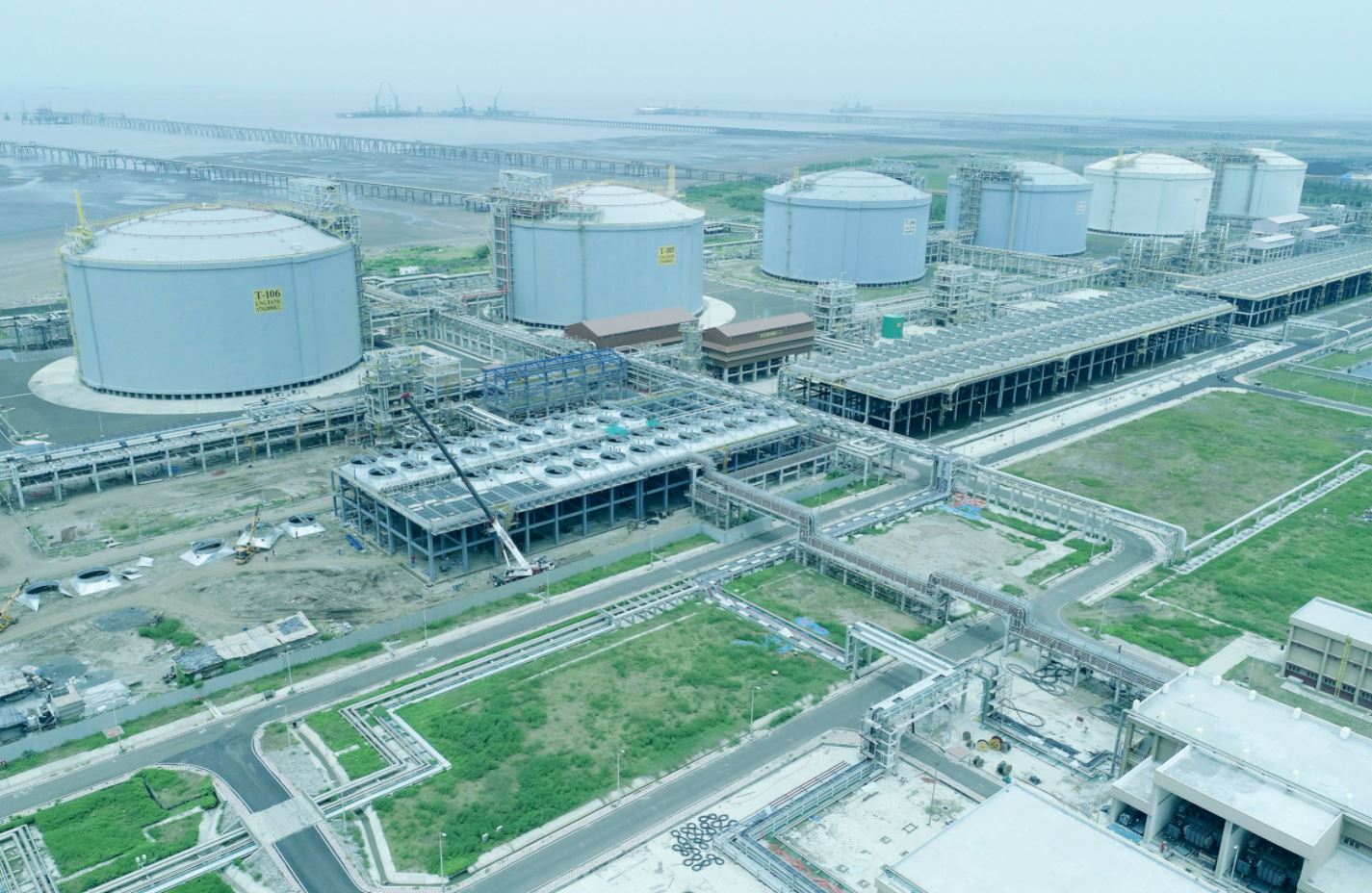
India’s June LNG imports drop 17.3 percent year-on-year

India’s liquefied natural gas (LNG) imports dropped by 17.3 percent in June from the same month last year.

LNG imports dropped to 2.31 billion cubic meters or about 1.73 million tonnes in June, data from the oil ministry’s Petroleum Planning and Analysis Cell shows.

Compared to the previous month, LNG imports declined about 10.4 percent.

One of the reasons behind the country’s lower LNG imports could be high prices, prompting Indian buyers to hold off on buying high-priced spot volumes.

In addition, India’s demand for LNG dropped in May and June as lockdowns to curb the second deadly wave of Covid-19 hit industrial activities and consumption.

Total LNG imports in the April-June period rose by 8 percent to 7.55 bcm or about 5.66 million tonnes.

At the moment, India imports LNG via six facilities with a combined capacity of 42.5 million tonnes.

Petronet LNG’s 17.5 mtpa Dahej terminal operated at 80.2 percent capacity while Shell’s 5 mtpa Hazira terminal operated at 50 percent capacity in April-May, the PPAC data shows.

Most Popular

Top 5 news of the week July 6-12

LNG Prime brings you the five most popular news stories on our platform during the week of July 6-12, 2026.
spot_img

More News Like This

India lifts emergency gas curbs

India's government has lifted emergency measures that prioritized gas allocation to essential sectors following the resumption of LNG shipments through the Strait of Hormuz.

Lloyds Energy evaluating LNG opportunities in Asia and Africa

Dubai-based Lloyds Energy said it is evaluating a range of liquefied natural gas (LNG), FSRU, and downstream gas infrastructure opportunities in Asia and Africa.

India’s Petronet gets Qatari LNG cargo

India's largest LNG importer, Petronet LNG, has received an LNG cargo from Qatar via the Strait of Hormuz at its Dahej terminal in Gujarat.

India’s LNG imports down in May

India's liquefied natural gas (LNG) imports decreased 21 percent year-on-year in May, preliminary data from the oil ministry’s Petroleum Planning and Analysis Cell shows.