
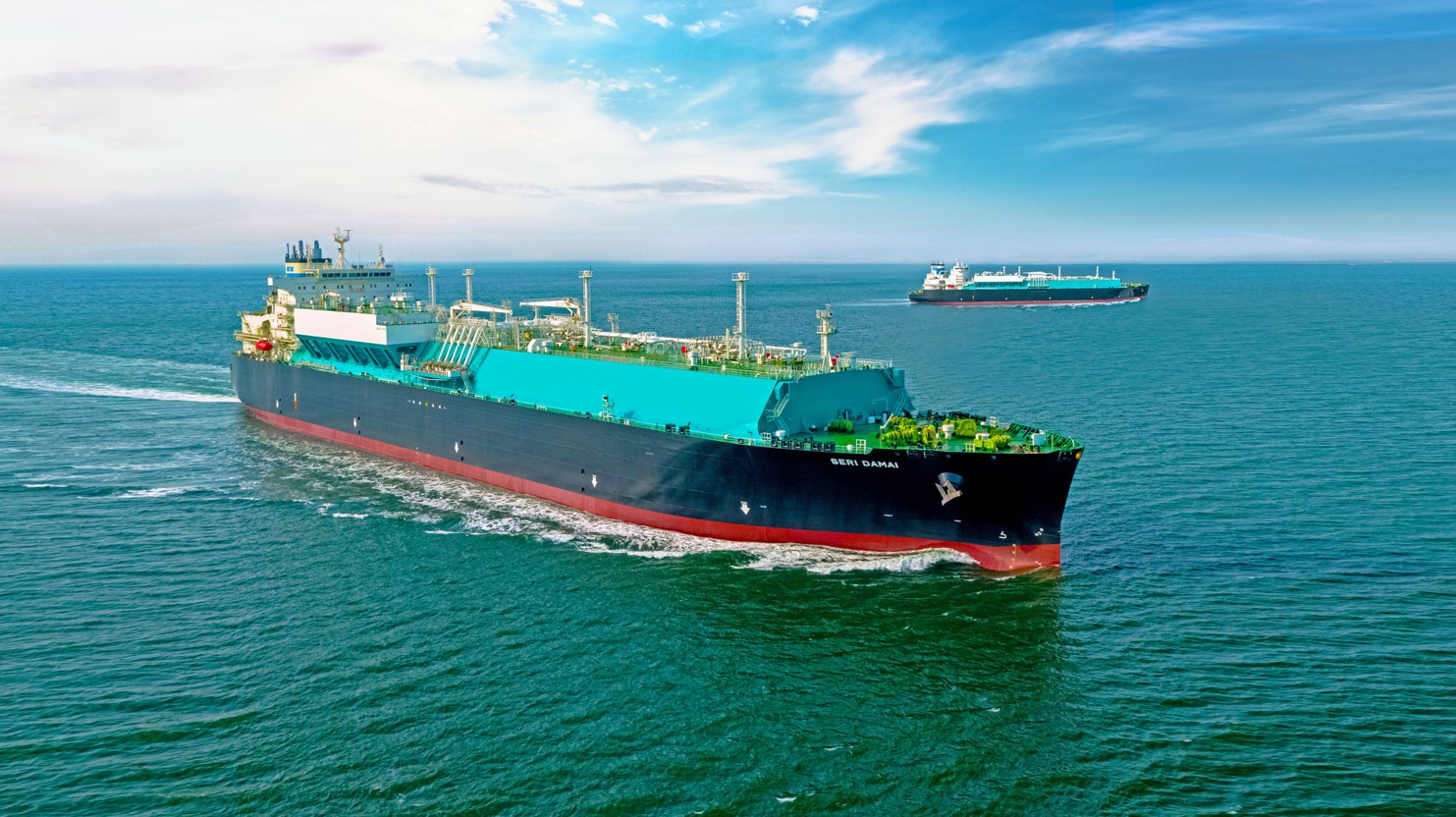
Malaysia’s LNG shipper MISC, a unit of Petronas, said its LNG business logged a rise in both revenue and operating profit in the October-December period of 2022.
The shipping firm said its gas assets and solution business, which includes a fleet of LNG and ethane carriers, posted a revenue of 803.1 million ringgit ($182.6 million) and an operating profit of 460.3 million ringgit ($104.6 million) in the fourth quarter.
Revenue rose 4.9 percent year-on-year mainly due to translational impact from weakening of ringgit against the US dollar in the current quarter, MISC said.
Operationally, the segment’s revenue in the current quarter was lower than corresponding quarter’s revenue due to lower charter rates and earning days, it said.
Operating profit rose 34.4 percent due to lower vessel operating costs coupled with higher revenue, MISC said.
For the full-year of 2022, MISC’s gas assets and solution business reported a revenue of 3.11 billion ringgit, a rise of 8 percent, mainly due to higher earning days from lower dry-docking activities.
Operating profit of 1.53 billion ringgit increased 22.9 percent.
MISC is one of the largest operators of LNG carriers and most of them are on long-term charters. It operates a fleet of 31 LNG carriers and two floating storage units.
The firm recently took delivery of two 174,000-cbm LNG carriers which will serve ExxonMobil’s unit SeaRiver Maritime under long-term charter deals.
“Positive” financial performance
Looking at the overall quarterly results, MISC’s profit of 645 million ringgit ($146.7 million) in the fourth quarter rose from 432.2 million ringgit a year ago.
Group revenue of 4.17 billion ringgit rose 35.3 percent, while operating profit of 1.09 billion ringgit surged 193.1 percent when compared to the same quarter last year.
The company’s CEO Rajalingam Subramaniam said in the statement that “MISC delivered a positive financial performance for this quarter, driven by the resilience of our businesses across the group.”
MISC expects LNG earnings to remain “strong”
MISC said that spot charter LNG rates continued to remain high in the fourth quarter despite falling sharply in December due to unwinding floating storage activity and delayed restart of the Freeport LNG plant in the US.
However, in the near term, prospects “continue to be positive” backed by three main factors, according to MISC.
These include increasing European demand for LNG arising from the ongoing Russia-Europe tension, China’s demand recovery, and tight vessel availability and growing LNG infrastructure reaching investment decisions, which would further support LNG growth while surging newbuild price and tight shipbuilding spaces will be a challenge in meeting new LNG project requirements, it said.
Notwithstanding the above, the operating income for the company’s gas assets and solutions segment is expected to “remain strong, underwritten by its portfolio of long-term charters,” MISC added.