
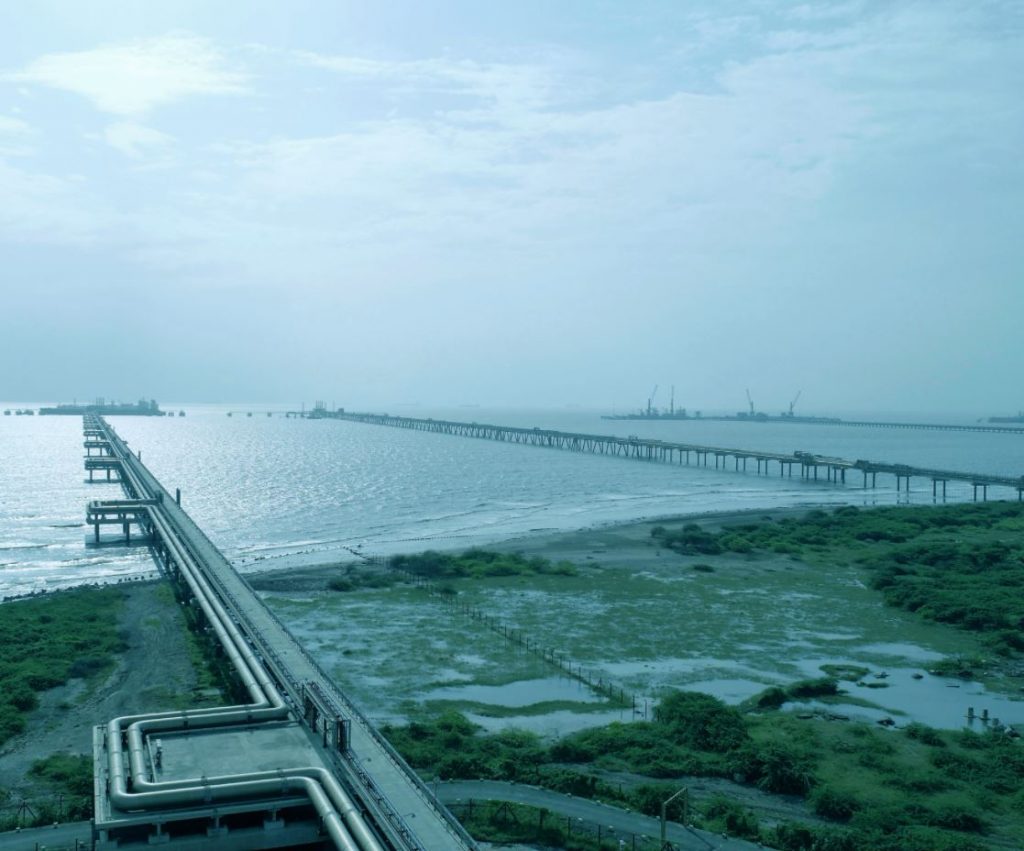
India’s LNG imports keep rising

India’s LNG imports are continuing to improve and they increased for the fifth straight month in November following declines in April-June due to Covid-19 restrictions.

LNG imports reached 2.89 billion cubic meters or about 2.14 million tonnes of LNG last month, a rise of 11.8% year-on-year, data from the oil ministry’s Petroleum Planning and Analysis Cell shows.

Moreover, the value of November LNG imports continued to ease and the price tag totaled $0.7 billion compared to $0.8 billion in the same month last year.

Same as in October, India’s domestic natural gas production dropped last month 9.1 percent to 2.33 bcm.

Total LNG imports in the April-November period decreased by just 0.6% to 21.07 bcm or about 16.2 million tonnes of LNG.

India currently imports LNG via six terminals with a combined capacity of 42.5 million tonnes.

Petronet LNG’s 17.5 mtpa Dahej terminal operated at 95% capacity while Shell’s 5 mtpa Hazira terminal operated at 96.9% capacity in April-October, the PPAC data shows.

Most Popular

Chevron pens Western Australian gas supply deal with Alinta

Chevron’s Australian unit has signed a new long-term deal with Alinta Energy to deliver domestic natural gas from its Gorgon and Wheatstone LNG projects and the Woodside-led NWS JV.
spot_img

More News Like This

India lifts emergency gas curbs

India's government has lifted emergency measures that prioritized gas allocation to essential sectors following the resumption of LNG shipments through the Strait of Hormuz.

Lloyds Energy evaluating LNG opportunities in Asia and Africa

Dubai-based Lloyds Energy said it is evaluating a range of liquefied natural gas (LNG), FSRU, and downstream gas infrastructure opportunities in Asia and Africa.

India’s Petronet gets Qatari LNG cargo

India's largest LNG importer, Petronet LNG, has received an LNG cargo from Qatar via the Strait of Hormuz at its Dahej terminal in Gujarat.

India’s LNG imports down in May

India's liquefied natural gas (LNG) imports decreased 21 percent year-on-year in May, preliminary data from the oil ministry’s Petroleum Planning and Analysis Cell shows.