
Compared with EIA’s June forecast, the agency expects more natural gas in storage in the coming months because of slightly more natural gas production and less power sector demand.
EIA’s forecast for more natural gas in storage and lower prices comes after seven consecutive weeks (from late April to early June) of net injections greater than 100 billion cubic feet (Bcf) contributed to a recovery in storage volumes.
The agency estimates that US natural gas inventories were 7 percent above the five-year average (2020–2024) at the end of June after ending the withdrawal season (November–March) 4 percent below the five-year average, the lowest in three years.
With more natural gas in storage in this forecast, EIA expects lower natural gas prices.
The Henry Hub spot price averaged just over $3.00/MMBtu in June, and EIA expects it will average almost $3.40/MMBtu in the third quarter of this year.
The spot price averaged $3.67/MMBtu in 1H25, compared with $2.11/MMBtu in 1H24.
LNG demand
EIA said LNG demand and natural gas production will be two key drivers of price in the coming months.
If LNG demand is more or production is less than EIA’s forecast, inventories may end the injection season below its forecast and natural gas prices may be higher than forecast.
At the same time, with above-normal hurricane activity expected this summer, LNG exports may be disrupted if storms hit along the Gulf Coast, which could result in more US inventories and lower natural gas prices than expected, EIA said.
EIA still expects prices to rise in the coming year, with the Henry Hub price averaging almost $3.70/MMBtu this year and $4.40/MMBtu next year.
The forecast increase largely reflects the expectation that production will fall slightly in 2026, while LNG exports continue to increase, the agency said.
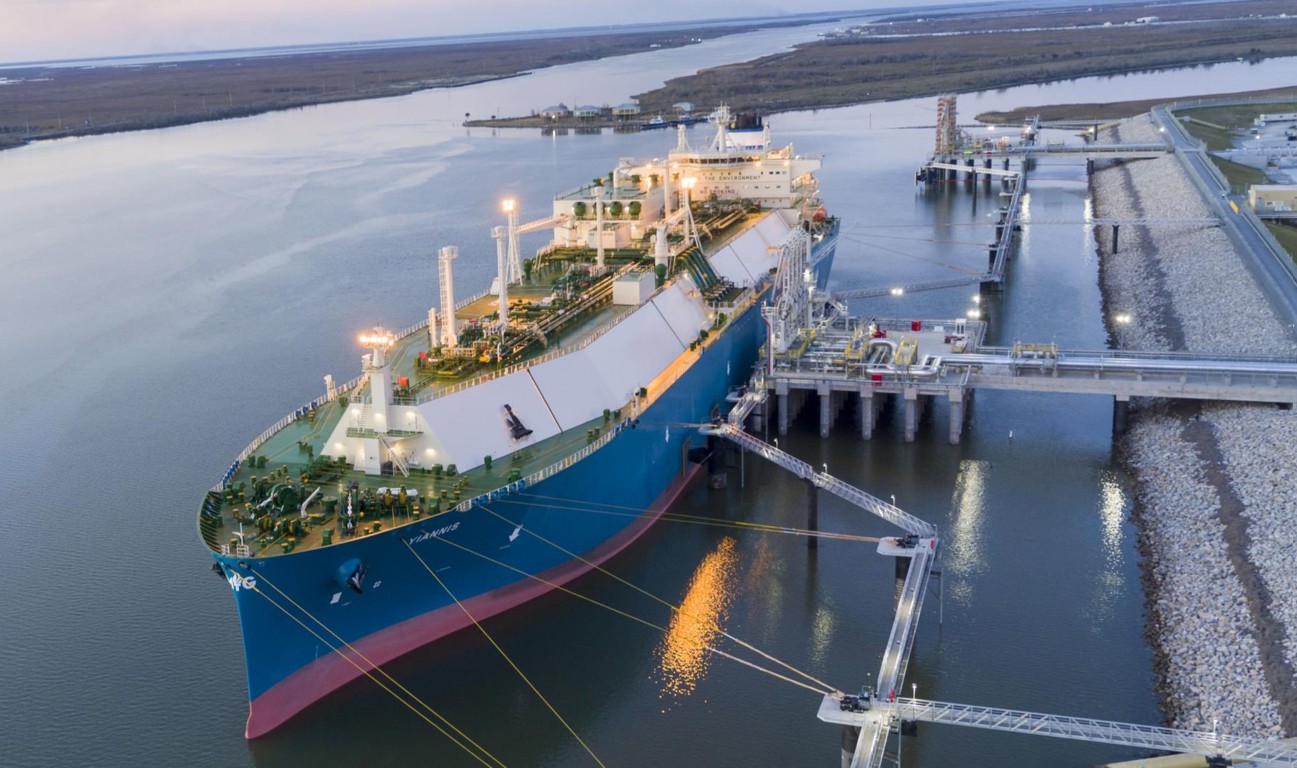
The US is the world’s largest LNG exporter, and its liquefaction capacity continues to expand.
The terminals include Cheniere’s Sabine Pass and Corpus Christi terminals, Venture Global’s Calcasieu Pass and Plaquemines LNG facilities (still in commissioning), Sempra Infrastructure’s Cameron LNG terminal, the Freeport LNG facility, the Cove Point LNG facility, and the Elba Island terminal.