
Steve Magness, manager of Big River Energy and Gato Negro Manzanillo Liquefied Natural Gas, submitted the project’s semi-annual status report to the DOE last month.
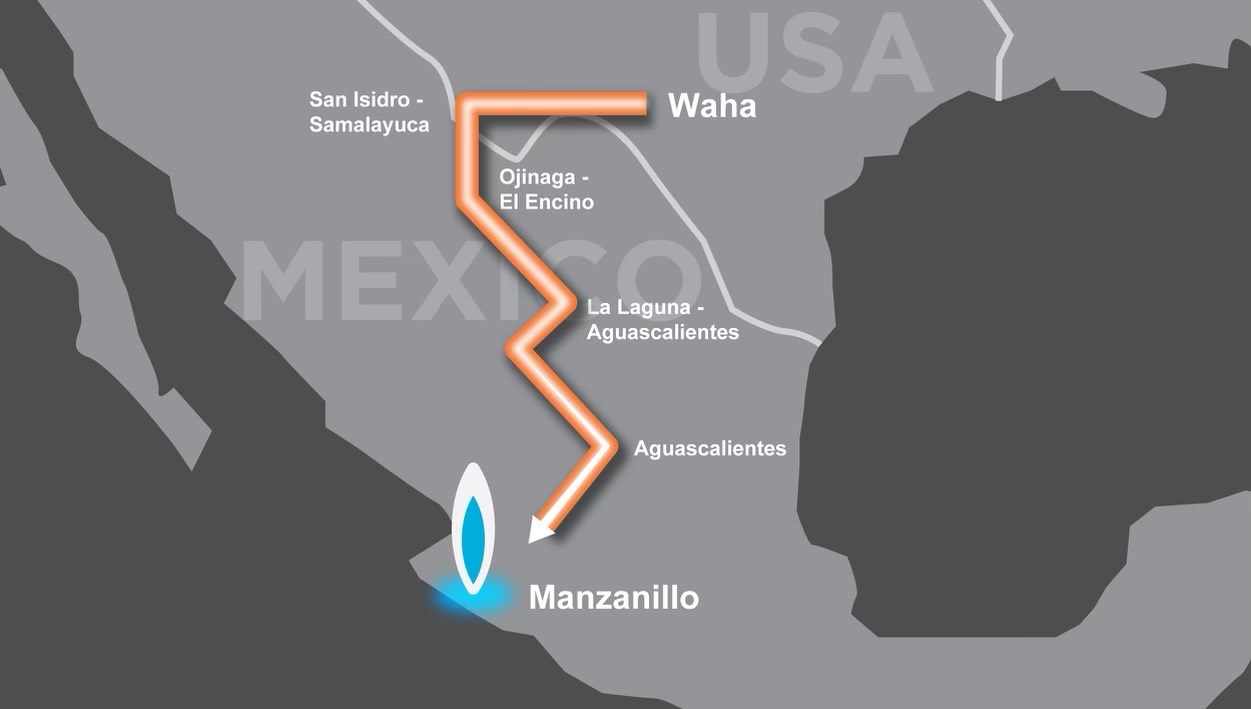
Last year, Gato Negro Permitium Uno secured long-term authorization from the DOE to export US natural gas via pipeline to its planned Manzanillo liquefaction plant in Mexico and re-export the supplies as LNG to free trade agreement nations.
Initially, Gato Negro planst to export via pipeline to Mexico up to 0.647 billion cubic feet (Bcf) per day of natural gas, and ultimately re-export for delivery to any country that has signed a free trade agreement with the US up to 0.556 Bcf/d of LNG.
In August last year, Gato Negro Manzanillo LNG also applied with the DOE for the export/re-export permit for non-FTA destination countries, and is awaiting approval.
According to the new update, all Mexican permits have been completed, but Gato Negro is awaiting the issuance of the federal environmental permit under the new government.
Contractor, offtake
The update says that Gato Negro has narrowed the natural gas supplier selection down to three.
The firm noted that natural Gas transportation will be the responsibility of the natural gas suppliers, but Gato Negro Manzanillo LNG has executed a letter of intent that covers gas transportation with the US and Mexican gas pipelines.
In addition, Gato Negro plans to select a FEED/EPC contractor in October 2025.
The update sadi that Gato Negor exectude binding letters of intent for LNG offtake have been for more than the capacity of the entire facility.
Final selection of customers will depend on the issuance of the US DOE export/re-export permit for non-FTA destination countries, the company said.
Gato Negro targets FID in late 2026 and COD (commercial operations date) in late 2030.
Capacity boost
Last month, Gato Negro Manzanillo LNG announced plans in a statement to expand its natural gas liquefaction project in Manzanillo, Colima.
The company aims to increase planned production capacity from 3 million tonnes per annum (mtpa) to 9 mtpa across three phases.
Under the revised plan, Phase 1 will deliver 3 mtpa of capacity, Phase 2 will bring total
capacity to 6 mtpa, and Phase 3 will achieve 9 mtpa.