
DNV said on Monday that 30 new orders for alternative-fueled vessels were placed in October.
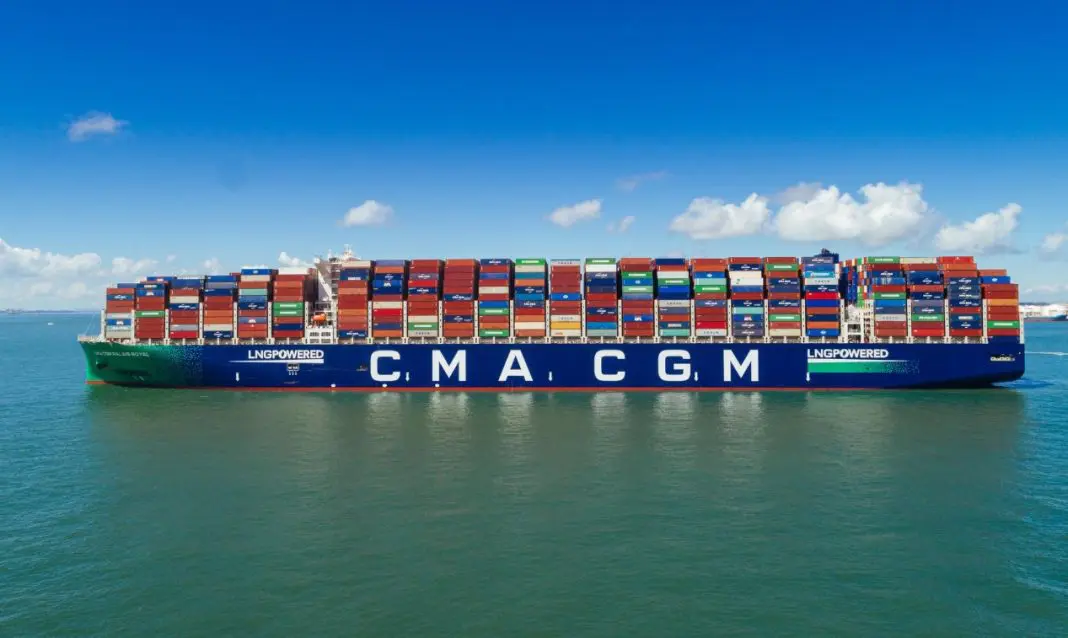
Of these, 26 were LNG-fueled vessels, all coming from the container segment.
The remaining four orders were for methanol-fuelled vessels, with three of these in the tankers segment.
According to DNV, a total of 222 orders for alternative-fueled vessels were placed in the first 10 months of 2025, just under half (52 percent) of orders placed in the same period in 2024.
LNG fuel continues to dominate
LNG-fuelled vessels continue to dominate new orders, accounting for 67 percent of all alternative-fuel orders this year, with 147 ships.
Moreover, methanol-fuelled vessels follow with 47 orders, while LPG carriers (19), ammonia-fuelled vessels (5), and hydrogen-fuelled vessels (4) make up the remainder.
The container segment now accounts for 65 percent of all new orders for alternative-fueled vessels in 2025.
In addition, four LNG bunker vessels and two bunker vessels capable of supplying methanol and biofuel were also added to the orderbook in October.
Although these are not included in the alternative-fuelled vessel statistics, continued investment in bunkering infrastructure is essential for supporting the growth and viability of the emerging alternative-fuelled fleet, DNV said.
“Following some weak months, it is encouraging to see stronger numbers in the alternative-fueled space in October, both for vessels and with further investment in bunkering infrastructure. While activity remains well below last year’s levels, it is important to recognize that this is happening within a weaker overall newbuild market,” Jason Stefanatos, global decarbonization director at DNV Maritime, said.
“Although issues of regulatory uncertainty are yet to be solved, the push for maritime decarbonization continues, led by the container segment and driven by a range of actors, including cargo owners, financiers, and shipowners themselves,” he said.
“This continued commitment across the industry signals that the transition to cleaner fuels remains firmly on the agenda,” Stefanatos said.
819 LNG-powered ships in operation
DNV’s platform shows that there are now 819 LNG-powered ships in operation and 628 LNG-fueled vessels on order.
Moreover, 217 LNG-powered containerships and 117 LNG-powered car carriers are in operation, followed by 82 crude carriers, and 77 oil/chemical tankers.
As per vessels on order, LNG-powered containerships account for a big part of the orders with 375 units. Shipping firms also ordered 104 car carriers, 44 crude oil tankers, and 42 oil and chemical tankers.
These statistics do not include smaller inland vessels or dual-fuel LNG carriers.
In the first half of 2025, 13 LNG bunkering vessels were ordered, compared to 62 in operation globally, with February marking the strongest month for this segment with eight orders, DNV previously said.
In addition to 1447 confirmed LNG-powered ships, the fleet powered by alternative fuels includes 444 methanol-fueled vessels, 296 LPG-powered ships, 46 ammonia-fueled vessels, and 44 hydrogen-fueled vessels.