
Petronet LNG extends CEO term

India's Petronet LNG has extended CEO Akshay Kumar Singh's contract until May 12, 2027.

Petronet said in a stock exchange filing on Monday that its shareholders approved a one-off final extension of Singh’s tenure from February 1, 2026, to May 12, 2027.

The resolution passed with 98.55 percent of the vote.

Singh became Petronet’s managing director and CEO in 2021.

He succeeded Prabhat Singh, who completed a five-term term with the LNG importer.

In addition to Singh’s tenure, Pramod Narang’s tenure was extended by two years, from November 26, 2025, to November 25, 2027.

Narang is Petronet’s technical director.

The resolution passed with 81.94 percent of the vote.

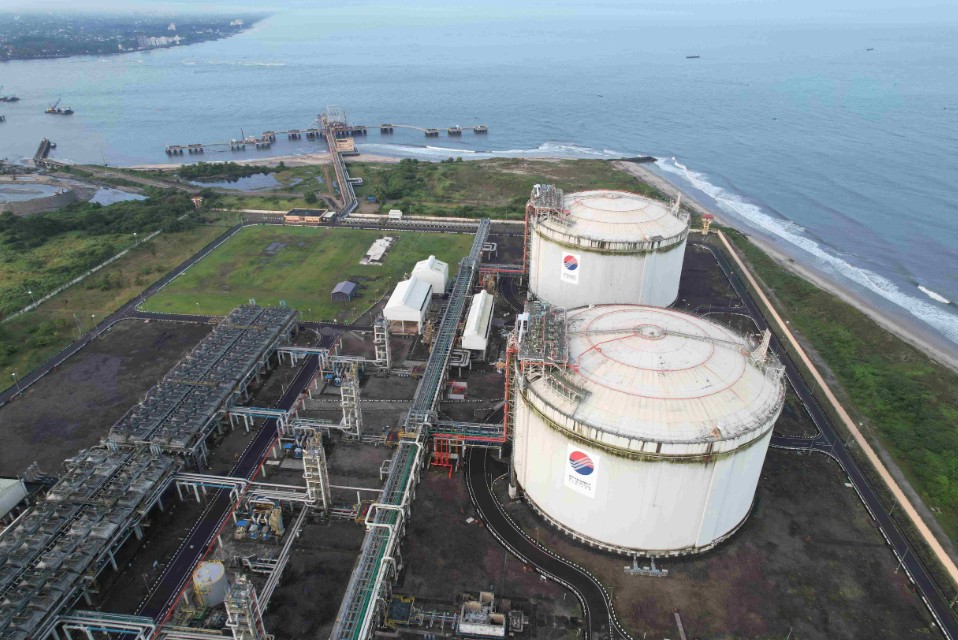
Petronet operates the 17 mtpa Dahej and the 5 mtpa Kochi LNG terminals.

The company expects to launch an additional five mtpa capacity at its Dahej LNG terminal by March 2026, according to Petronet LNG’s management.

In 2024, Petronet also launched two new Dahej LNG storage tanks, T-107 and T-108, each with a capacity of 180,000 cbm.

These two tanks added to six existing storage tanks at the Dahej terminal with a total capacity of 932,000 cbm.

Most Popular

Top 5 news of the week July 6-12

LNG Prime brings you the five most popular news stories on our platform during the week of July 6-12, 2026.
spot_img

More News Like This

India lifts emergency gas curbs

India's government has lifted emergency measures that prioritized gas allocation to essential sectors following the resumption of LNG shipments through the Strait of Hormuz.

India’s Petronet gets Qatari LNG cargo

India's largest LNG importer, Petronet LNG, has received an LNG cargo from Qatar via the Strait of Hormuz at its Dahej terminal in Gujarat.

India’s LNG imports down in May

India's liquefied natural gas (LNG) imports decreased 21 percent year-on-year in May, preliminary data from the oil ministry’s Petroleum Planning and Analysis Cell shows.

India’s LNG imports dip in April

India's liquefied natural gas (LNG) imports decreased almost 30 percent year-on-year in April, preliminary data from the oil ministry’s Petroleum Planning and Analysis Cell shows.