
Gallagher announced this in the Santos third-quarter report on Thursday.
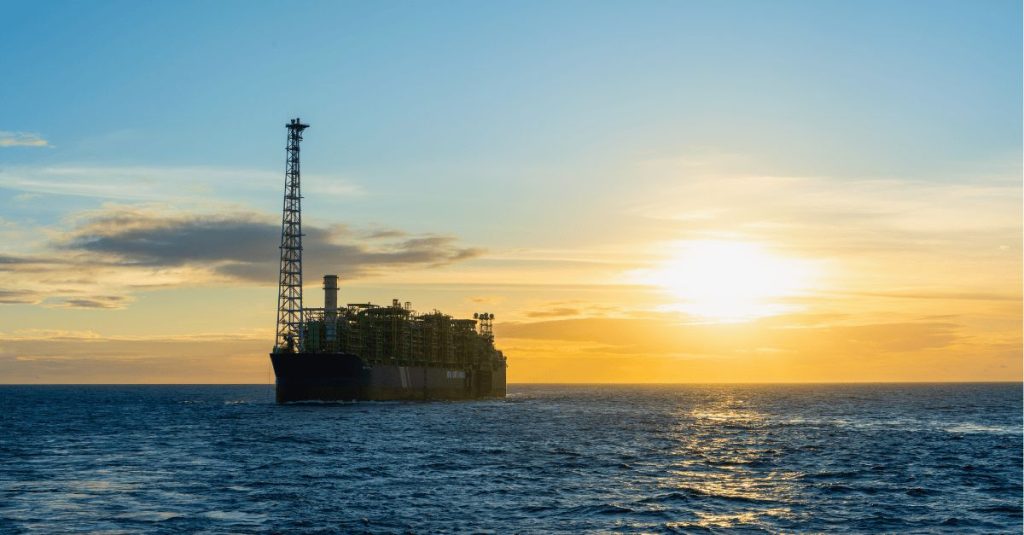
Last month, the BW Opal FPSO received first gas into the facility to start production operations, paving the way for first gas into the Darwin LNG plant.
However, “software issues affecting the safety systems onboard the BW Opal FPSO resulted in an unplanned shutdown of around two weeks during September, impacting the ramp-up of the Barossa project,” Gallagher said.
“Pleasingly, these issues have now been resolved and are behind us. Safety will always take precedence over schedule as we work to achieve our ambition of a safe, high-reliability operation for many years to come,” he said.
“Following resolution of these software issues, first gas from Barossa into the gas export pipeline was achieved this week, with first production at Darwin LNG expected in the coming weeks,” Gallagher said.
The FPSO is the production centrepiece of Santos’ Barossa LNG project and will be permanently located in the Barossa gas field approximately 285 kilometres offshore from Darwin in the Northern Territory of Australia.
It will feed the Darwin LNG plant for the next two decades.
The Darwin LNG plant launched operations in 2006. It achieved RFSU in August 2025, following the successful completion of the life extension project for Barossa LNG.
In 2023, the last LNG cargo produced from the Bayu-Undan gas field sailed from the LNG plant in Australia’s Northern Territory.
The final LNG shipment from Bayu-Undan left the 3.7 mtpa Darwin LNG plant at Wickham Point on November 11, 2023.
Results
Santos reported sales revenue of $1.1 billion in the third quarter, contributing to cumulative revenue of $3.7 billion year-to-date.
Third-quarter revenue decreased 12 percent compared to the previous quarter, while the nine-month revenue dropped 7 percent year-on-year.
The company reported production of 21.3 mmboe, bringing total year-to-date production to 65.4 mmboe.
Full-year production guidance has been narrowed to 89 to 91 mmboe (previously 90-95 mmboe).
Santos said this is primarily due to the slower than anticipated start-up of the BW Opal FPSO, and the impact of floods on Cooper Basin production.