
In 2025, total natural gas consumption amounted to 331.4 TWh, Enagas said on Tuesday.
This compares to 311.7 TWh in 2024.
The increase is mainly due to higher gas demand for power generation, which rose by 33.3 percent to 99.6 TWh, Enagas said.
However, conventional natural gas demand—intended for household, commercial, and industrial consumption—reached 231.8 TWh in 2025, 2 percent less than in 2024.
Enagas said this decline is primarily due to lower industrial consumption, which fell 5.2 percent to 167.6 TWh, driven by a drop in cogeneration.
According to the firm, demand for transported natural gas—domestic demand plus exports—has grown by 7 percent in 2025 to 372 TWh, driven by increased electricity generation demand.
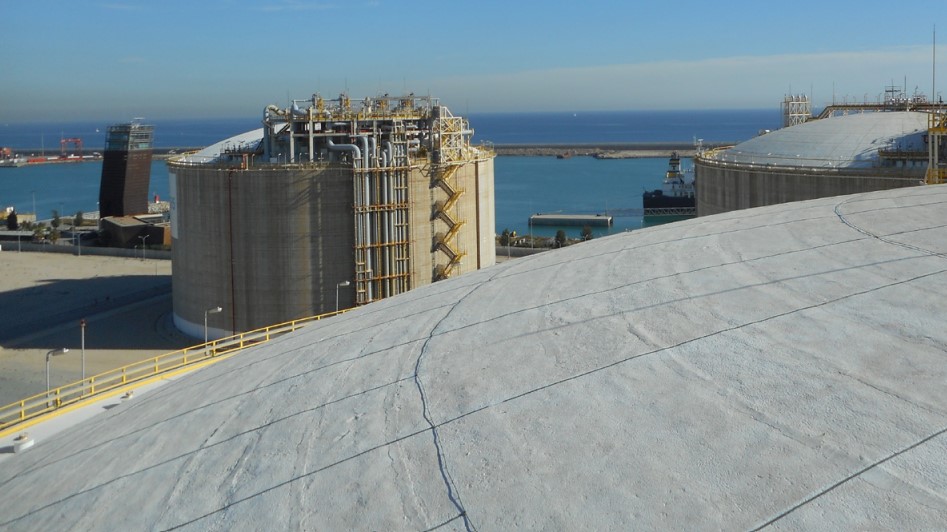
Enagas operates a large network of gas pipelines in Spain and has three wholly-owned LNG import plants in Barcelona, Huelva, and Cartagena.
It also owns 75 percent of the Musel LNG facility, 50 percent of the BBG regasification plant in Bilbao, and 72.5 percent of the Sagunto plant, while Reganosa operates the Mugardos plant.
16 sources
In 2025, Spanish regasification plants received natural gas from 16 different sources, contributing to a wide diversification of supply and reinforcing Spain’s position as a strategic entry point for LNG into Europe, Enagas said.
Enagas said the main supplier was Algeria (pipeline gas), followed by the United States.
Russian LNG imports fell by 44 percent in 2025, Enagas noted.
Spain continues to contribute to the security of supply for the rest of Europe, both through gas pipeline interconnections and through reloading of LNG ships.
The consumption of LNG for bunkering has grown by 62 percent compared to 2024, reinforcing its important role in reducing polluting emissions in maritime transport, the company said.
LNG slots
In the annual 15-year auction process, 100 percent of the LNG loading slots offered have been allocated, with more than 1,000 small-scale slots contracted until 2040, Enagas said.
The number of applications received in the auction process was three times the number offered, a record and a testament to the maritime sector’s strong commitment to decarbonization, it said.
For its part, the annual auction of LNG unloading slots also showed the sector’s high interest in ship logistics, with more than 2,100 slots contracted until 2040.
The LNG storage service recorded an average contracting rate of almost 100 percent, and the contracted capacity in underground storage reached an average of 87 percent, it said.