
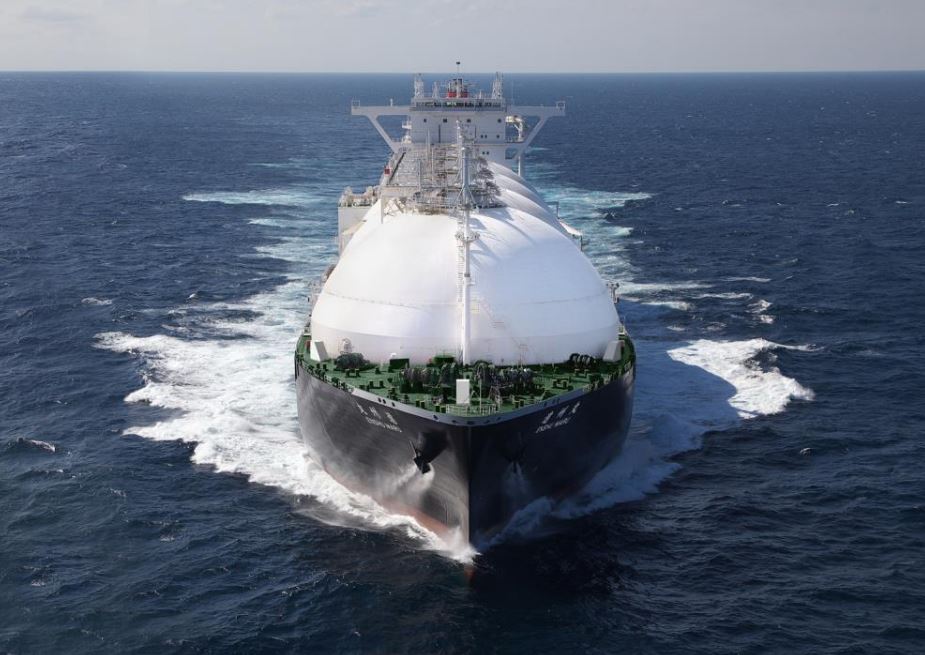
Japan’s LNG imports continue to decline

Japanese imports of liquefied natural gas continued to decline this year and they dropped for the third consecutive month in March.

Japan, the world’s largest importer of LNG, received 7.2 million tonnes of the fuel last month, down 1.2 percent from a year earlier.

March LNG imports cost Japan about $3.56 billion, a decline of 13.5 percent year-on-year, according to the provisional data released by Japan’s Ministry of Finance.

LNG deliveries from Asia from countries such as Malaysia and Indonesia increased by 0.1 percent to 1.74 million tones, the data shows.

Middle East LNG shipments from sources like Qatar declined by 29.4 percent to 937,000 tonnes.

Shipments from Russia dropped 0.2 percent to 522,000 tonnes while US deliveries almost doubled to 394,000 tonnes.

On the other side, as LNG imports show a downward trend, Japan boosted coal imports for power generation.

Japan imported 9.88 million tonnes of coal in March, a rise of 3.4 percent year-on-year, the ministry’s data shows.

Most Popular

Chevron pens Western Australian gas supply deal with Alinta

Chevron’s Australian unit has signed a new long-term deal with Alinta Energy to deliver domestic natural gas from its Gorgon and Wheatstone LNG projects and the Woodside-led NWS JV.
spot_img

More News Like This

Japan’s Cosmo Energy eyes LNG power plant

Japan's Cosmo Energy is looking into the possibility of building a liquefied natural gas (LNG)-fired power plant.

Japan’s LNG imports down 15 percent in May

Japan’s liquefied natural gas (LNG) imports decreased by 15.1 percent in May compared to the same month last year, according to provisional data released by the country’s Ministry of Finance.

Japan’s LNG imports down 20.6 percent in April

Japan’s liquefied natural gas (LNG) imports decreased by 20.6 percent in April compared to the same month last year, according to provisional data released by the country’s Ministry of Finance.

Japan, South Korea to strengthen LNG ties

Japan and South Korea agreed to expand cooperation on liquefied natural gas (LNG) amid market disruption caused by the Middle East conflict.