Belgium’s Fluxys said Wednesday it joined Germany’s Hanseatic Energy Hub as an industrial partner to help develop the planned Stade LNG import terminal near Hamburg.
The duo said in a joint statement they expect closing of the deal upon completion of the default merger clearance procedure with the competent authorities.
Moreover, the entry of Fluxys into the LNG import project complements the recent investment into Hanseatic by Swiss-based private equity firm Partners Group.
“The project is an opportunity for Fluxys to deliver on its growth ambition in Europe by strengthening and diversifying its infrastructure presence in Germany,” the statement said.
The LNG terminal could support Germany in its phase-out of nuclear, coal but also lignite-fired electricity generation by diversifying the country’s natural gas supply routes in a context of increasing import needs, it said.
“We have been on the lookout for a world-class industrial partner to join the development and operate the terminal on a long-term basis, and we found that in Fluxys,” Manfred Schubert, Hanseatic managing director, said.
Fluxys brings 30 years of expertise in LNG terminal operations to Hanseatic, including its Zeebrugge facility in Belgium.
“The Stade LNG terminal is set to be a key enabler of Germany’s energy transition by creating an additional energy entry gate for LNG and low carbon gases with clean operations integrated in the Stade industrial cluster,” Pascal De Buck, Fluxys CEO, said.
Binding phase for capacity booking expected in the second quarter
In addition, the new move follows a recent announcement by Hanseatic saying market players showed interest to book the full capacity at its Stade LNG terminal after it completed the non-binding phase of an open season.
The German firm plans to launch the binding phase of the open season in the second quarter of this year.
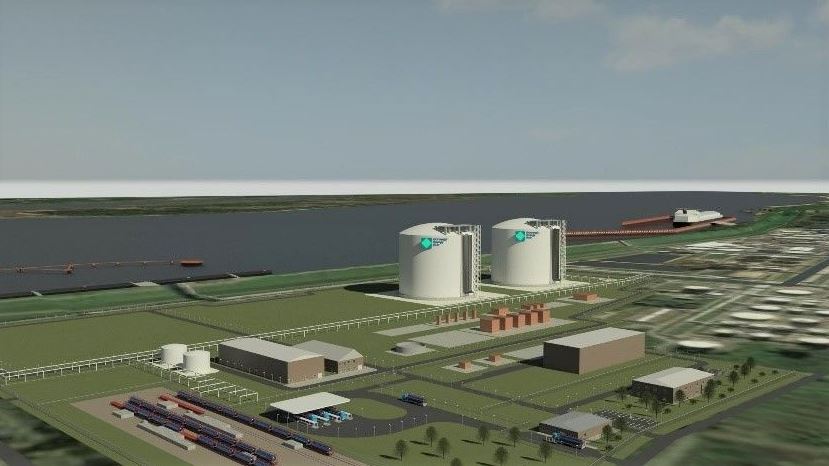
Located on the Elbe river within the Dow industrial park, the terminal will have a 12 Bcm/year capacity, making it the largest planned LNG terminal in northern Germany.
Besides offering send-out to the German gas grid and for local consumption, the facility will also enable reloading to LNG tankers, river barges for bunkering, trucks and on-site rail. Plans also include hydrogen and bio-LNG.