
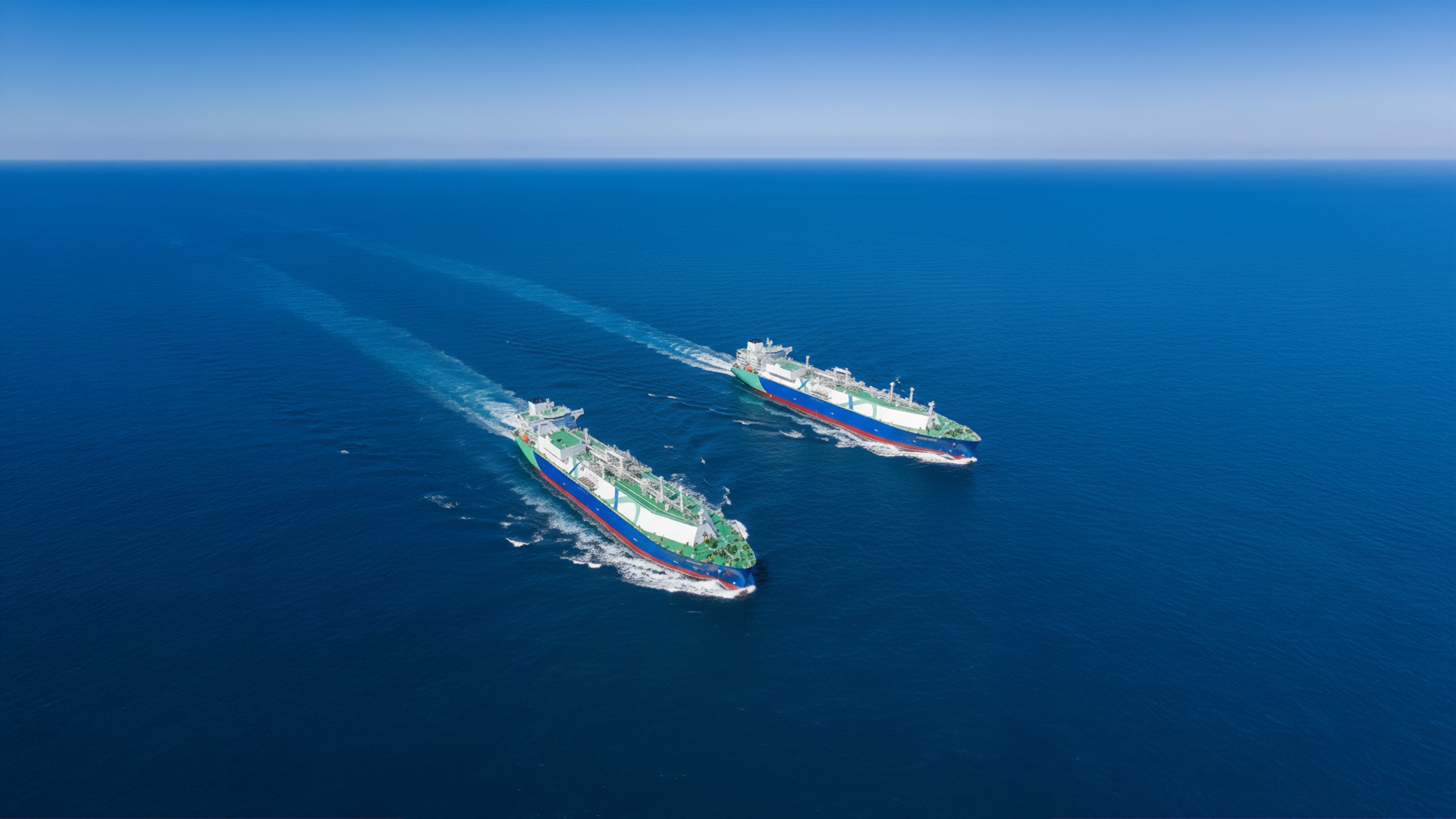
The shipping firm said its gas assets and solution business, which includes a fleet of LNG and ethane carriers, posted third-quarter revenue of 516.9 million ringgit ($124.8 million), a drop of 23.3 percent compared to the same period last year.
MISC attributed the drop to lower earning days from contract expiries, vessels disposal, and lower charter rates.
Moreover, MISC’s gas assets and solution business reported operating profit of 148.7 million ringgit ($35.9 million) in the third quarter.
Operating profit decreased by 42.3 percent compared to the same period last year due to lower revenue due to lower revenue offset against lower vessel operating costs, according to MISC.
MISC is one of the largest operators of LNG carriers and most of them are on long-term charters.
According to MISC’s website, it operates a fleet of 29 LNG carriers, including steam LNG carriers and five as part of joint ventures. It also has one chartered LNG bunkering vessel.
In addition to its operational vessels, MISC had 18 LNG carriers on order as of the end of June this year, including 11 vessels as part of the QatarEnergy joint venture.
Last year, MISC ordered two LNG carriers from South Korea’s Samsung Heavy. These vessels will serve Petronas under charter deals.
Group profit up, revenue down
MISC’s operating profit of 656.5 million ringgit ($158.5 million) in the third quarter increased by 20.9 percent year-on-year.
MISC said that the profit was contributed by an FPSO in the offshore segment, following its transition from the construction phase to the operational phase, higher revenue in the petroleum and products segment, and favourable finalisation of completed projects in the marine and heavy engineering segment.
Group revenue of 2,797.2 million ringgit dropped by 5.6 percent compared to the same period before.
The Malaysian firm said this is mainly due to lower revenue from ongoing projects in the marine and heavy engineering segment, due to projects approaching completion, as well as newly secured projects were still in the early stages of execution, coupled with lower earning days from contract expiries, vessel disposals and lower charter rates in the gas assets and solutions segment.
Outlook
Looking forward, MISC said that LNG carrier spot charter rates are expected to remain soft, primarily due to continued vessel oversupply resulting from strong newbuild deliveries and increasing number of vessels coming off long-term charters.
Coupled with high inventory levels in Europe and subdued demand in Asia, spot charter rates are expected to come under sustained downward pressure for the remainder of the year, according to MISC.
“The prevailing weakness in the spot market presents potential asset impairment risks that may affect the segment’s long-term asset valuations,” MISC said.
“Despite these challenges, the gas assets and solutions segment is maintaining its focus on proactively securing long-term charters while advancing its fleet rejuvenation strategy through the delivery of modern, eco-efficient LNGCs,” the shipping firm said.
As at the end of the quarter under review, four new LNG carriers co-owned with consortium partners have been delivered, with additional vessels scheduled for delivery in the next quarter.
The gas assets and solutions segment has also implemented “strategic measures for vessels currently off charter, including lay-ups to optimise costs and the exploration of redeployment opportunities,” MISC said.