
UAE’s Adnoc Gas said in a statement on Monday that operations are “continuing safely” across its asset base.
“Following debris falling near certain facilities, inspections confirmed no injuries and no impact to core processing integrity,” the company said.
“In response to ongoing shipping disruption in the Strait of Hormuz, the company has separately made temporary operational adjustments to production of liquefied natural gas and export traded liquids,” it said.
The company did not provide further details regarding the adjustments.
Adnoc Gas noted that it is actively collaborating with customers and partners on a “transaction-by-transaction basis to fulfill commitments wherever possible.”
“The company’s continued focus is on ensuring the safety of staff, contractors, partners, and
operations while continuing to serve its customers,” Adnoc Gas added.
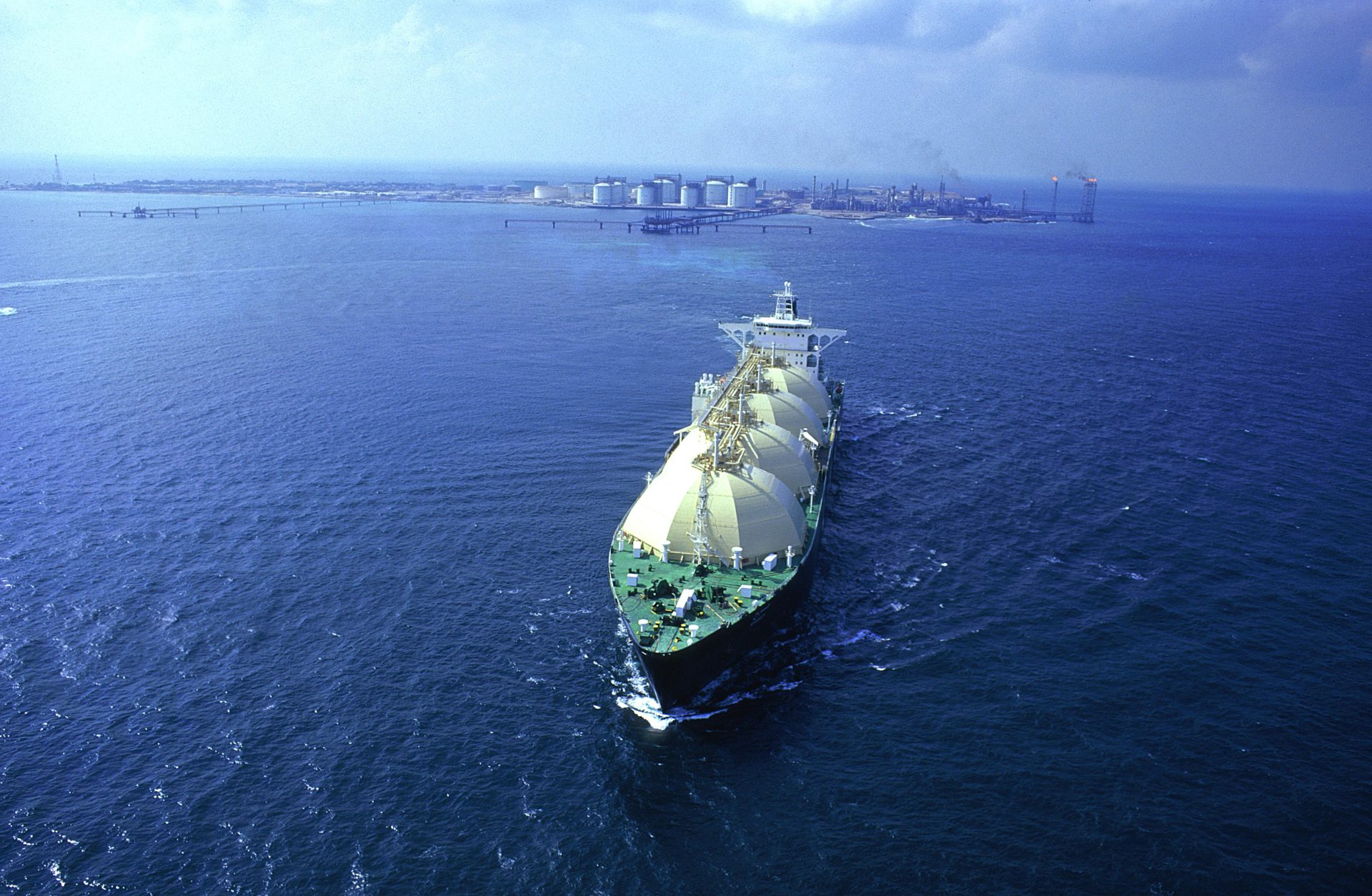
Adnoc operates the liquefaction and export terminal on Das Island in the Persian Gulf. which has a capacity of 6 million tons per annum (mtpa).
Adnoc owns a 70 percent stake in the operator of the facility, Adnoc LNG, while Mitsui holds 15 percent, BP owns 10 percent, and TotalEnergies holds 5 percent.
In addition, the state-owned company is also building the Ruwais LNG plant.
In 2024, Adnoc announced the final investment decision on its Ruwais project.
The LNG project will more than double Adnoc’s existing UAE LNG production capacity to around 15 mtpa, as the company builds its international LNG portfolio.
Ras Laffan
Shipments from both QatarEnergy’s giant Ras Laffan LNG complex in Qatar and the Das Island LNG plant require passage through the Strait of Hormuz.
Qatar and the UAE have no alternative besides the Strait of Hormuz to export cargoes loaded at their facilities,
Shipments of oil, gas, and LNG carriers via the Strait have been disrupted since Israel started attacks on Iran on February 28.
State-owned LNG giant QatarEnergy said last week that it expects the damage to its Ras Laffan complex caused by Iranian missile strikes to cost about $20 billion a year in lost revenue and to take up to five years to repair, impacting supply to markets in Europe and Asia.
There were two missile strikes on QatarEnergy’s facilities in Ras Laffan Industrial City, one on Wednesday and the other early on Thursday.
According to QatarEnergy, the attacks damaged two LNG producing Trains 4 and 6 totaling 12.8 million tons per annum (MTPA) of production, representing approximately 17 percent of Qatar’s exports.
QatarEnergy stopped producing LNG at its giant Ras Laffan complex on March 2 due to military attacks on its operating facilities.
The LNG producer declared force majeure to its affected LNG buyers on March 4.