
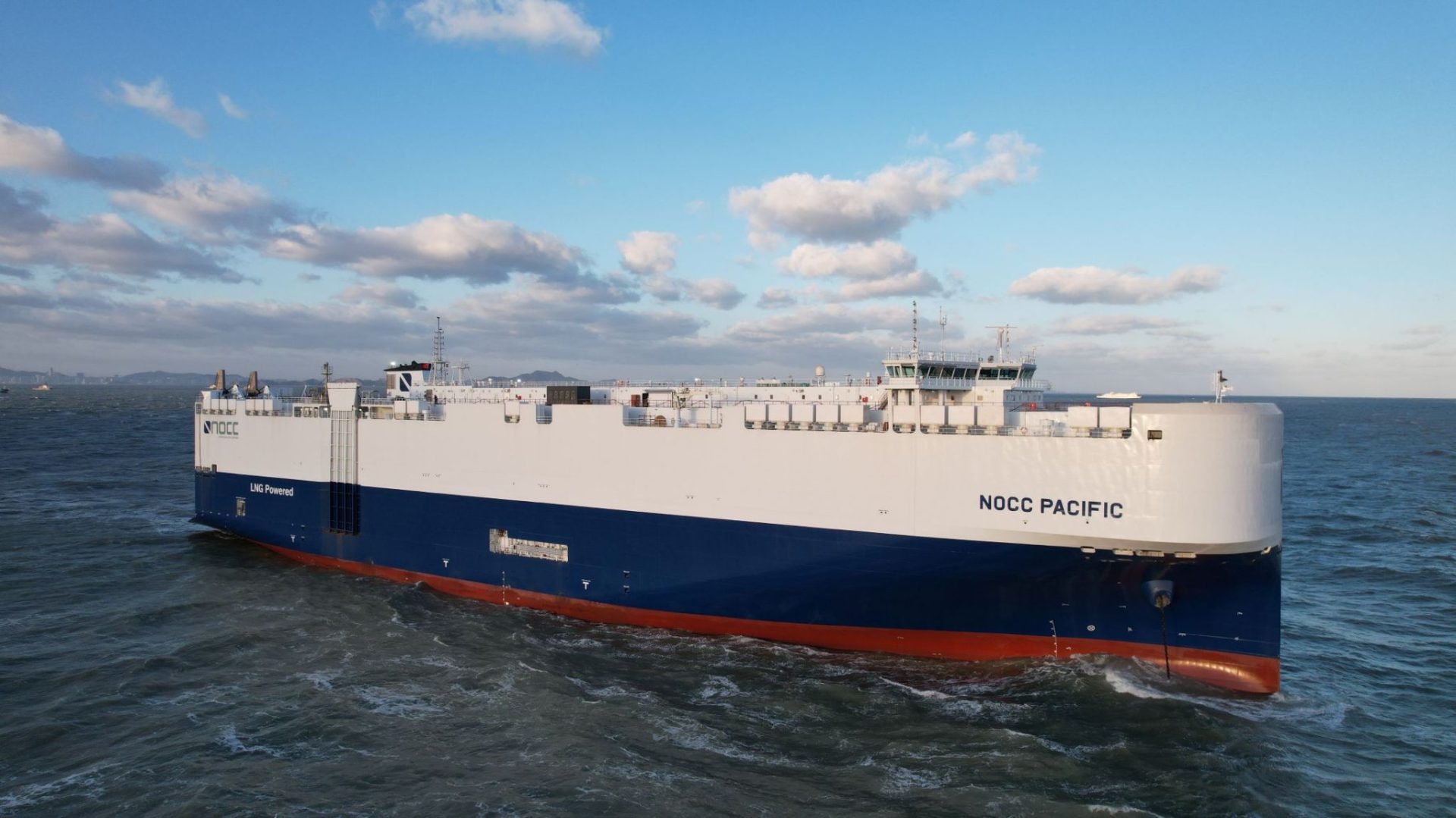
DNV said on Monday that a total of 20 new orders for alternative-fuelled vessels were placed last month.
Activity continues to be dominated by LNG-fueled container vessels, which accounted for 16 of these orders, with one methanol-fueled offshore vessel and three LPG vessels making up the remainder, according to DNV.
“This is a relatively positive start to the year in the alternative-fuelled space. LNG has the highest share with the container segment continuing to drive momentum,” Jason Stefanatos, global decarbonization director at DNV Maritime, said.
“This is being led by cargo owners and shipowners who are pressing ahead with their own decarbonization strategies, even as market and regulatory uncertainties remain,” he said.
DNV previously said that a total of 275 orders for alternative-fueled vessels were placed in 2025, representing a year-on-year decrease of 47 percent.
Reflecting the container segment’s strength, LNG-fueled vessels led the alternative-fueled market across all ship types in 2025, accounting for 188 orders and representing 31 percent of total GT.
854 LNG-powered ships in operation
DNV’s Alternative Fuels Insight (AFI) platform shows that there are now 854 LNG-powered ships in operation and 655 LNG-fueled vessels on order.
Moreover, 230 LNG-powered containerships and 128 LNG-powered car carriers are in operation, followed by 82 crude carriers, and 82 oil/chemical tankers.
As per vessels on order, LNG-powered containerships account for a big part of the orders with 410 units. Shipping firms also ordered 97 car carriers, 48 crude oil tankers, and 37 oil and chemical tankers.
These statistics do not include smaller inland vessels or dual-fuel LNG carriers.
In addition to 1509 confirmed LNG-powered ships, the fleet powered by alternative fuels includes 449 methanol-fueled vessels, 303 LPG-powered ships, 49 ammonia-fueled vessels, and 37 hydrogen-fueled vessels.